
Latest Articles
Page 1 of 19
5 Checks Buyers Must Do for Diamond Girdle Thickness
Five practical checks to read diamond girdle thickness, avoid 'Extremely Thin' or 'Extremely Thick' stones, and what to…

Insist on a GIA Report: Color Treated Diamonds for U.S. Buyers
Verify color treated diamonds: demand a GIA or equivalent lab report, check the girdle inscription, confirm FTC disclosure,…

Bar Setting Rings: How to Balance Sparkle and Resizing With USA Jewels
Buyer focused guide to bar setting rings: choose half or full eternity, know resizing and inspection needs, and…
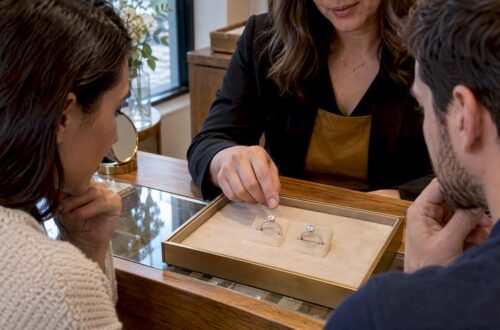
0.25 CTTW Example: Choose Pavé or Micro Pavé for Engagement Rings
Compare pavé and micro pavé using stone size, total carat weight, cost, durability, and a twice‑yearly inspection checklist.…

60–70% Lead Metal Rule: Wear Mixed Metal Jewelry with Intent
Learn simple mixed metal jewelry rules: let one metal be 60 to 70% of your look, favor odd-number…
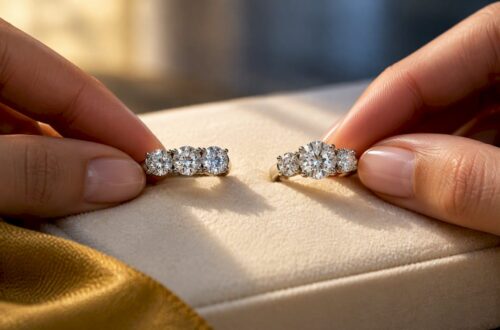
Make It Yours: Three Stone Ring Meaning and How Buyers Personalize
Discover three stone ring meanings from GIA and historians, and practical ways buyers can personalize the symbolism when…
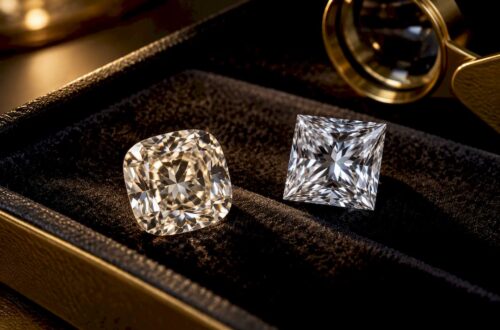
Engagement Buyers: Cushion vs Princess, Durability, Certificates, Price
Compare cushion and princess cuts for engagement rings. Learn how 1.00–1.05 L:W, corner strength, certificate numbers, and price…
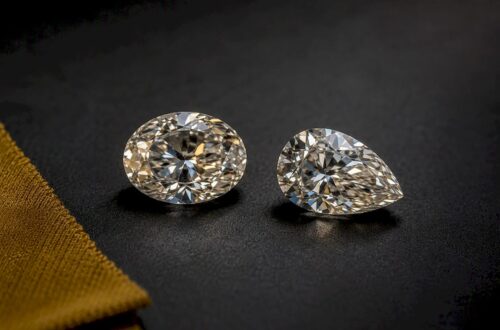
Oval vs Pear: Pick the Right 1.3–1.5 Ratio and Avoid Bow Tie Traps
Decide between oval and pear by inspecting millimeter dimensions, the 1.3–1.5 length-to-width ratio, rotating videos, and bow-tie severity…

5 Step Verification to Buy Loose Diamonds Confidently
Follow a five step verification checklist: confirm GIA or AGS reports, vet sellers, compare prices, and protect your…